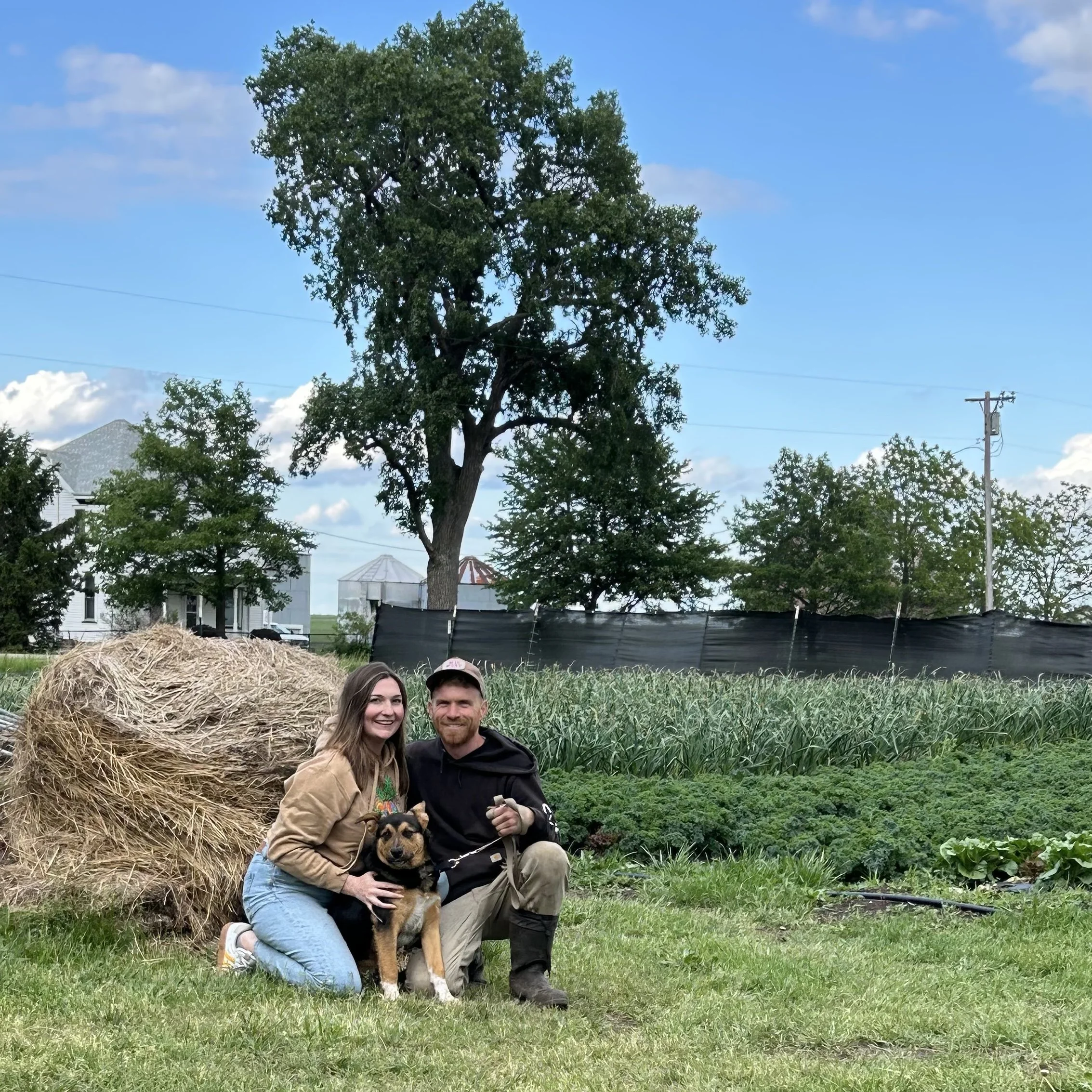
2025: A Year in Review
2025 was a year for the books.
We made some big bets on this new farm and on the direction of our operation. Some hands we won. Some the house won.
When people ask about a farm, the questions are almost always the same:
How many acres are in production?
How many employees do you have?
How many tractors do you have?
In American farming and business culture, scale is the signal. More land. More equipment. More crops. More labor. If those numbers aren’t going up, the assumption is that the business is failing. Scale is something I think about every single day. As business owners, it can feel like our value is measured almost entirely by how big our operation looks from the outside.
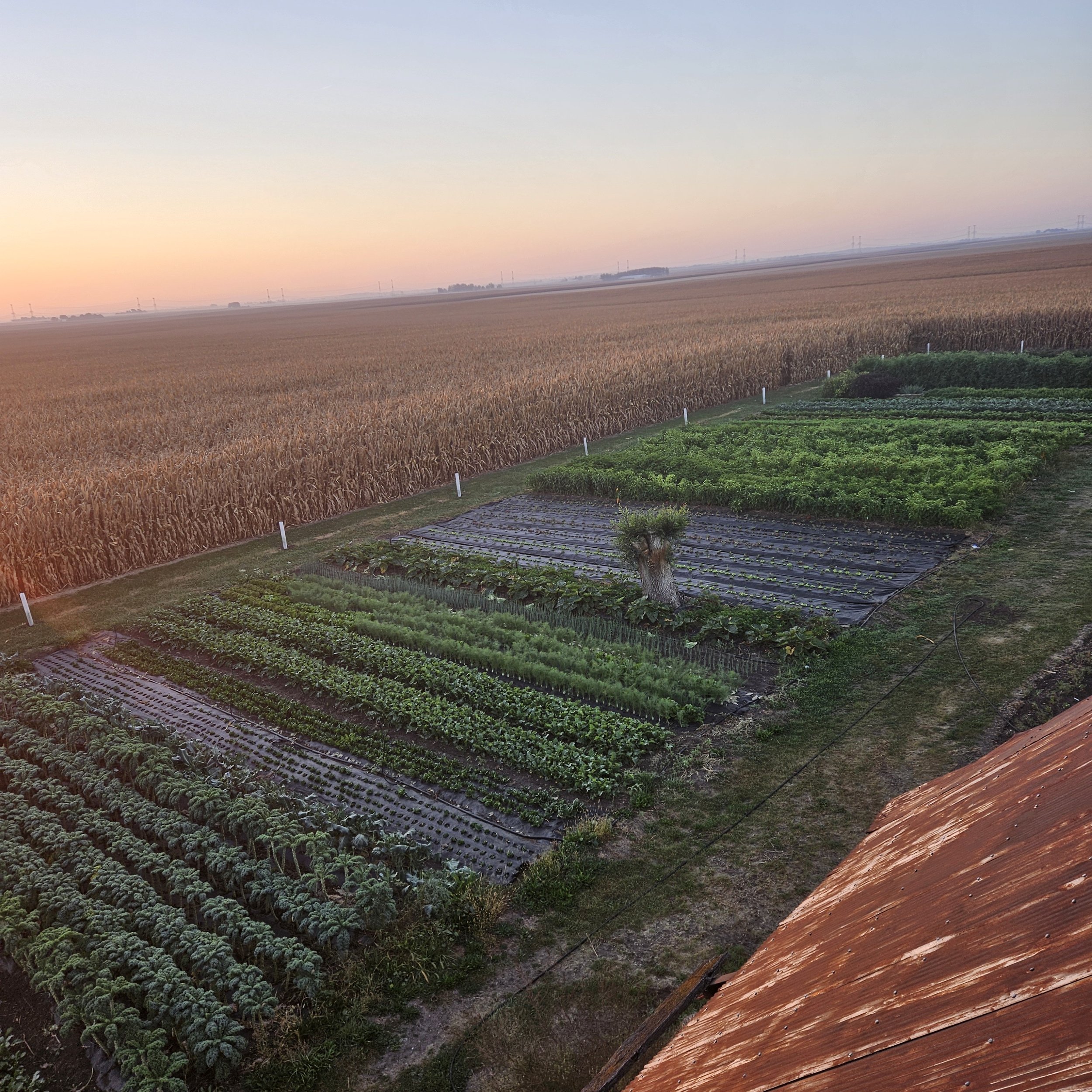
What people don’t see is that scaling a farm is fundamentally different from scaling most other businesses. The constant, invisible pressure in farming is risk—weather, wind, disease. Those risks exist whether you’re farming 5,000 square feet or 5,000 acres. A storm doesn’t care how big you are; it only determines how much damage it does. Scaling doesn’t remove risk. It magnifies the consequences.
In many other businesses, growth happens in controlled environments. Output is predictable. Equipment productivity can be calculated. Systems stay stable. Farming—especially direct-to-market farming—is the opposite. You’re dealing with a living ecosystem that is highly variable. Every decision stacks variables on top of variables.
Scaling means securing land, then scaling everything to match it: tractors, wash and pack space, cold storage, greenhouses, labor, delivery vehicles—and finally, demand.
I’ve worked on large farms as both a grunt worker and a manager. I’ve seen operations with too little equipment where employees burn out doing hand labor for pay that doesn’t match the effort. I’ve also seen farms with far too much equipment—machines constantly breaking or sitting in tall grass, rusting. I’ve seen disengaged employees, systems scaled before they were ready, soils underperforming, and labor pushed to the point where people question why they’re even there.
And so, I’m trying to do it differently.
Even when our farm was performing extremely well in 2022, I could see cracks forming beneath the surface. As demand grew, systems strained. Complexity increased. And I started asking harder questions about what “success” actually meant.
If scaling means working 80 hour weeks and flooding markets with more vegetables at lower margins, that might look like success—but it can hollow out a business fast. Yes, we want to feed more people. That instinct is in the DNA of every farmer on the planet. But if scaling means more hours, more stress, more risk, and less money, it’s worth questioning whether that’s actually a win.
Scaling for the sake of scale—often driven by ego and societal pressures—creates its own problems. Product gets pushed into markets that don’t need it. Delivery routes expand. Spoilage increases. Margins disappear.
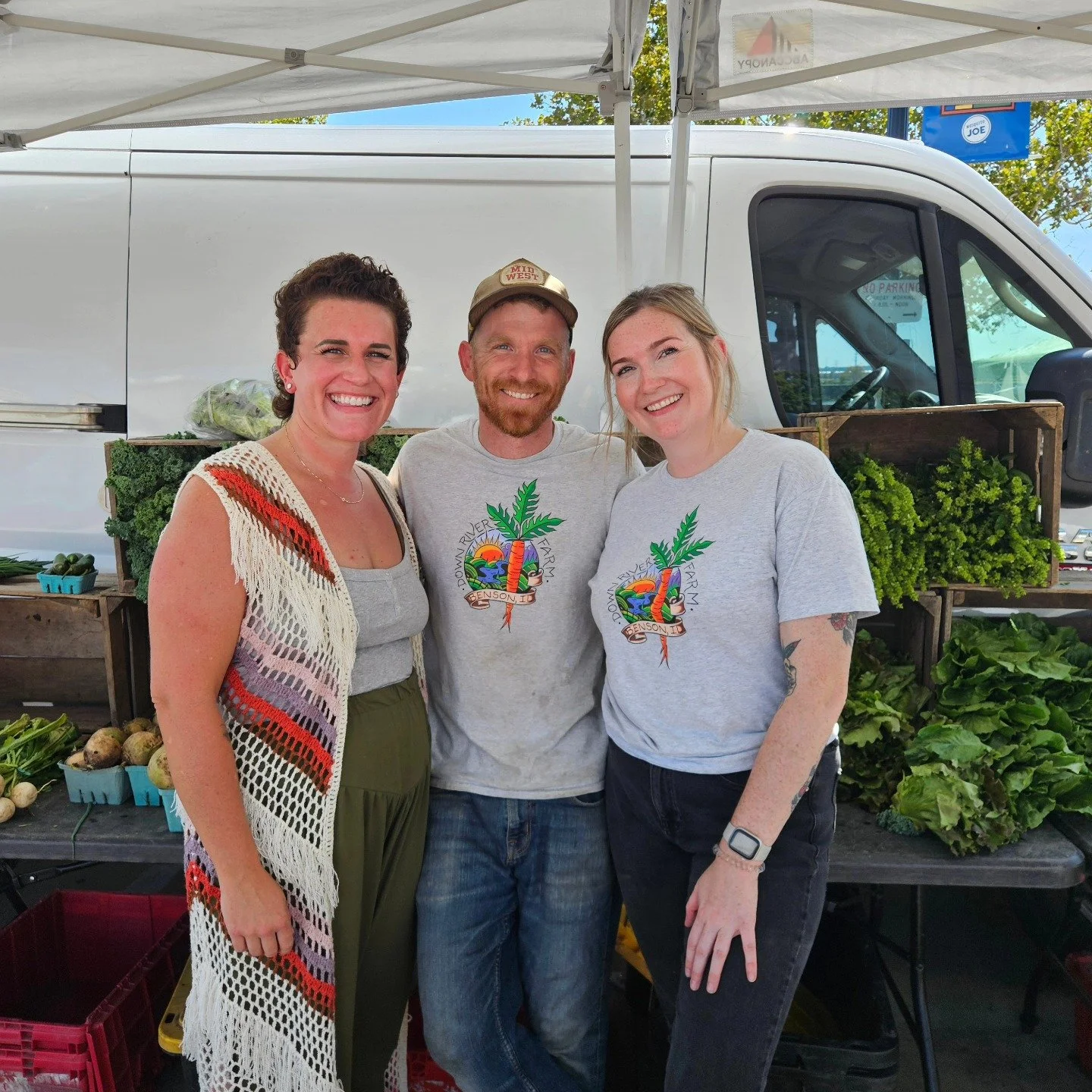
That doesn’t mean scaling is bad. We need farms that scale. We need more healthy food. But scaling has to come from efficiency, not excess. From removing waste, not adding complexity. Sometimes that means saying “no” to certain customers—not because demand isn’t there, but because the systems and resources aren’t ready yet.
I’ve made the mistakes. I’ve scaled before systems were ready. I’ve bought equipment I didn’t need. I’ve let tools sit unused. This is what leads to burnout.
In 2025 I learned that sometimes you have to scale down to scale up.
That’s what we’re doing now—maximizing every resource we already have. Every tool. Every acre. Every hour. Every mile driven. When waste is removed, productivity goes up. Quality improves. Stress comes down. Customers are happier.
We’re certainly not there yet. Because there is no “there”. There’s no arrival point in farming. No perfect scale. No perfect season. It’s a constant process—every day, every season, every decision is a chance to optimize.
I’ve watched too many farms expand quickly and disappear just as fast. Before increasing our land footprint—and the weather risk that comes with it—I want every other risk lever as low as possible: less debt, better systems, clearer demand.
I’m not glorifying staying small. Scale matters if we want to change the food system. Until our systems, infrastructure, equipment, and access to land and labor are ready, we’re choosing slower, smarter growth—so we can stay in this work long-term and keep doing it well.
Thank you all for your support in making this possible. 2026 - HERE WE COME!